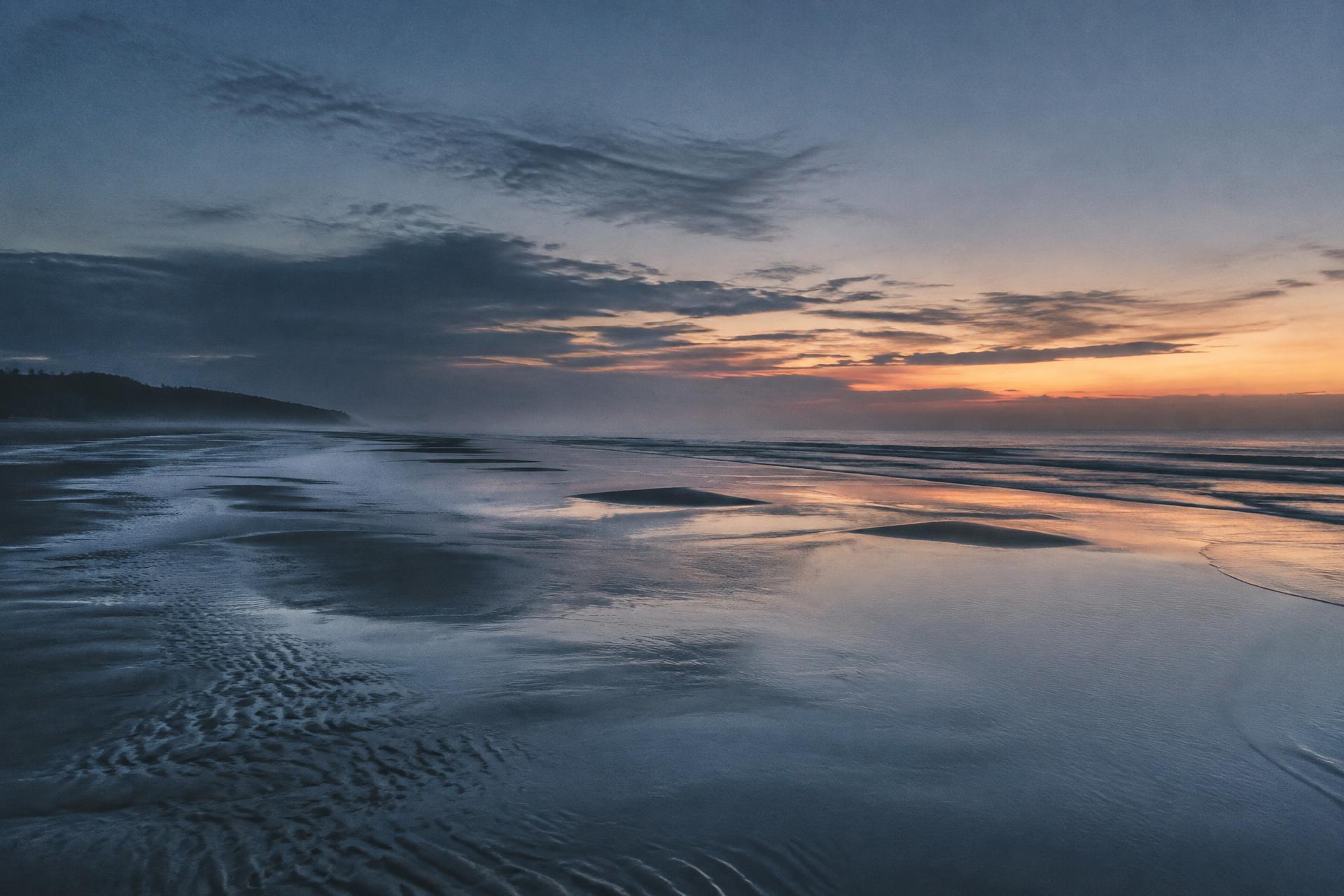
The Shared Sea Dress
A dress for the sea we share.
The health of our oceans begins at the microscopic level.
Launching at Havsforskningsdagarna 2026
24–26 November 2026 · Aula Magna, Stockholm University
01 / The Dress
We have created The Shared Sea Dress to start the conversation.
The finished dress — main portrait
The dress creates connections between textiles and fashion, how we use and care for our garments, microscopic life, and the health of our seas — connections that are difficult to see.
Created using dyes made from cyanobacteria pigment and designed for circular use, the dress aims to inspire a deeper connection with the ocean and a new way of thinking about our relationship with it.
It is not made to belong to one person. It is made to travel.
Detail
Alternative angle
The dress being worn
Cyanobacteria pigment × Textiles × The Ocean
Pigments are part of the language of life in the sea.
The pigments used in The Shared Sea Dress originate from cyanobacteria inspired by the Baltic Sea. Across different species and habitats, pigments capture sunlight and make photosynthesis possible, help organisms cope with changing light and protect them against environmental stress — offering clues to the organisms that live beneath the surface.
By exploring these colours, we can begin to see the sea differently.
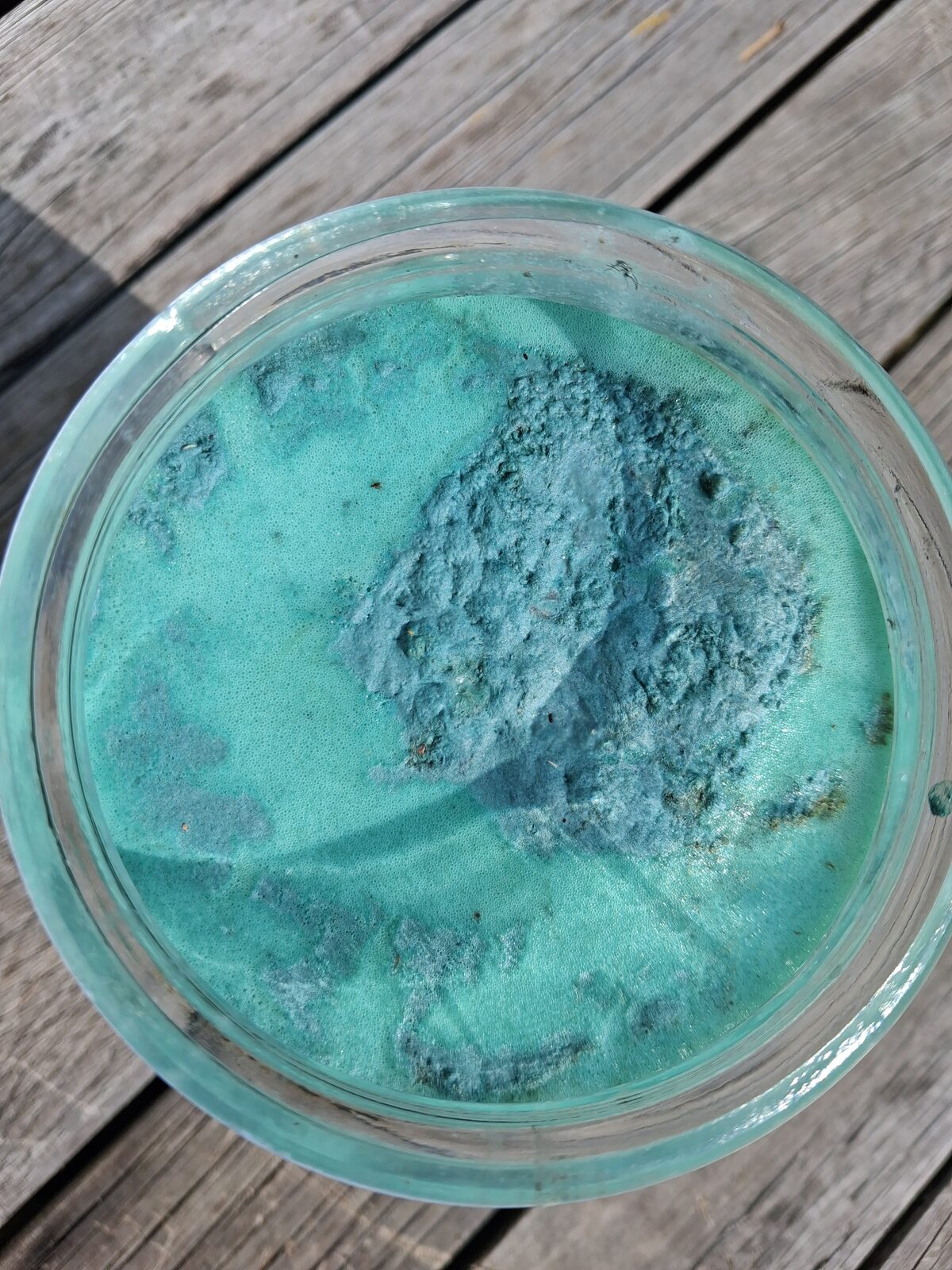
Pigments from a Baltic Sea algal bloom (cyanobacteria) in summer 2026.
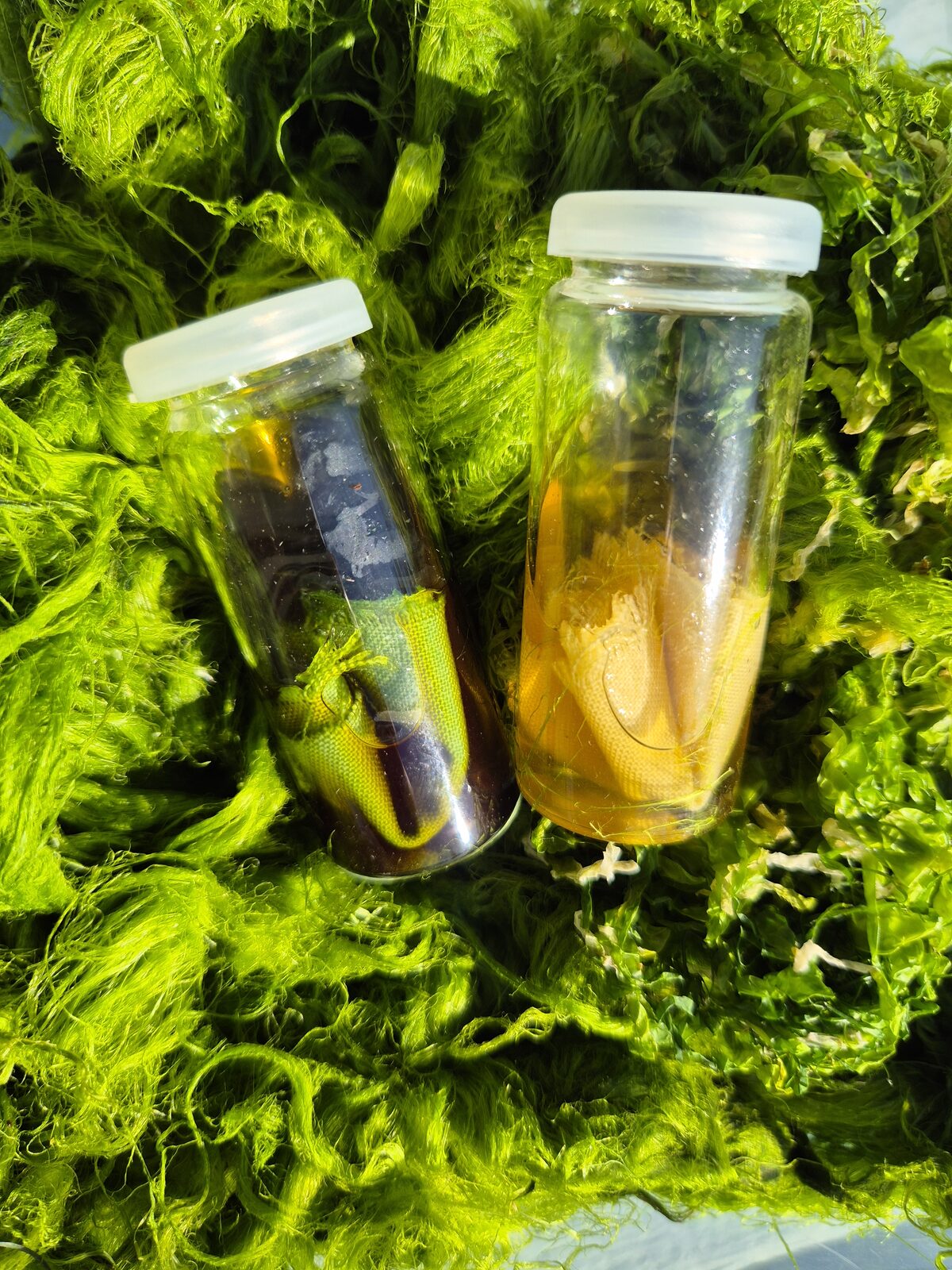
Green and yellow pigments from green filamentous algae (Cladophora) and gutweed (Ulva intestinalis).
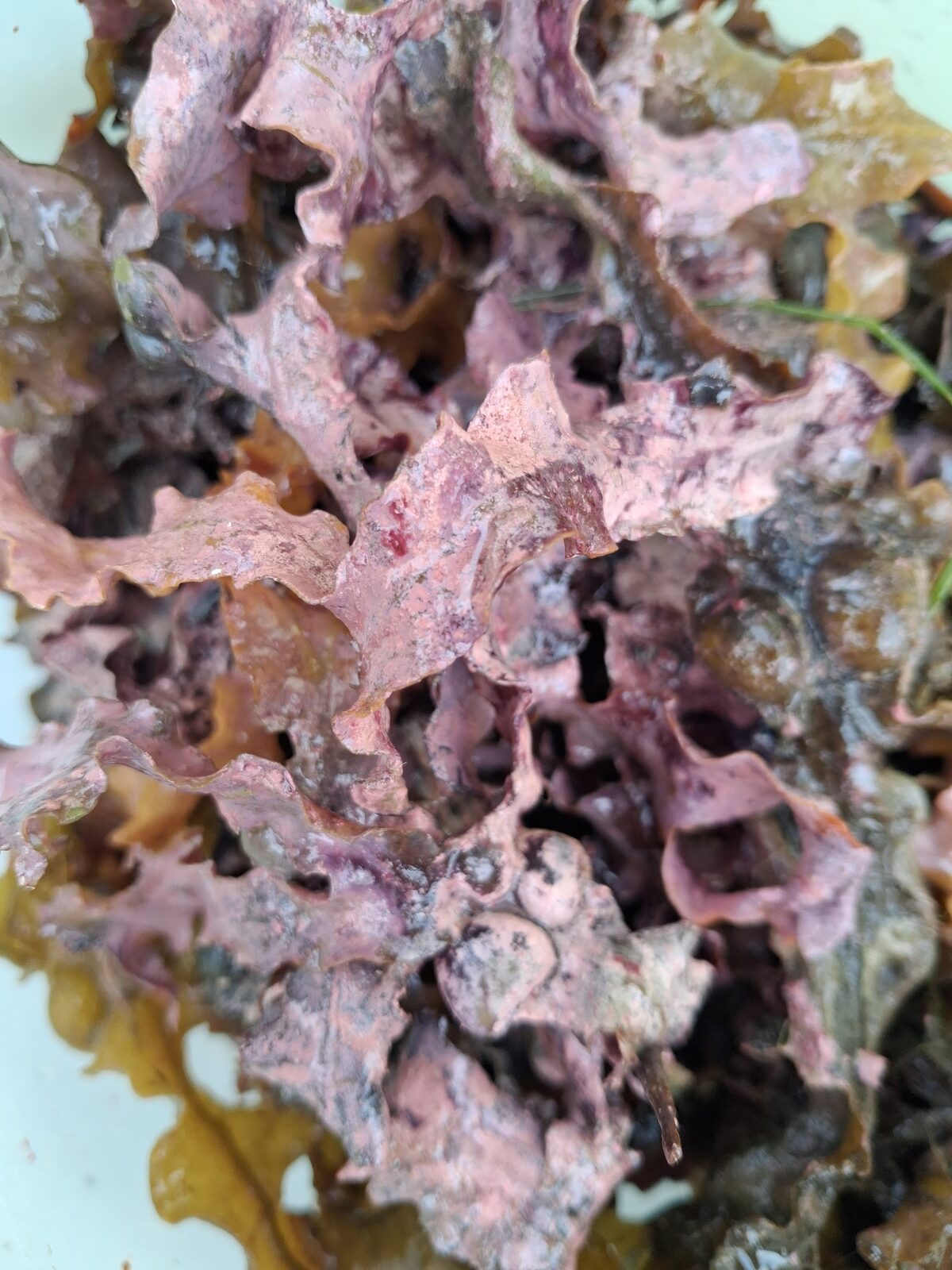
Purple bacteria growing on bladderwrack (Fucus vesiculosus).
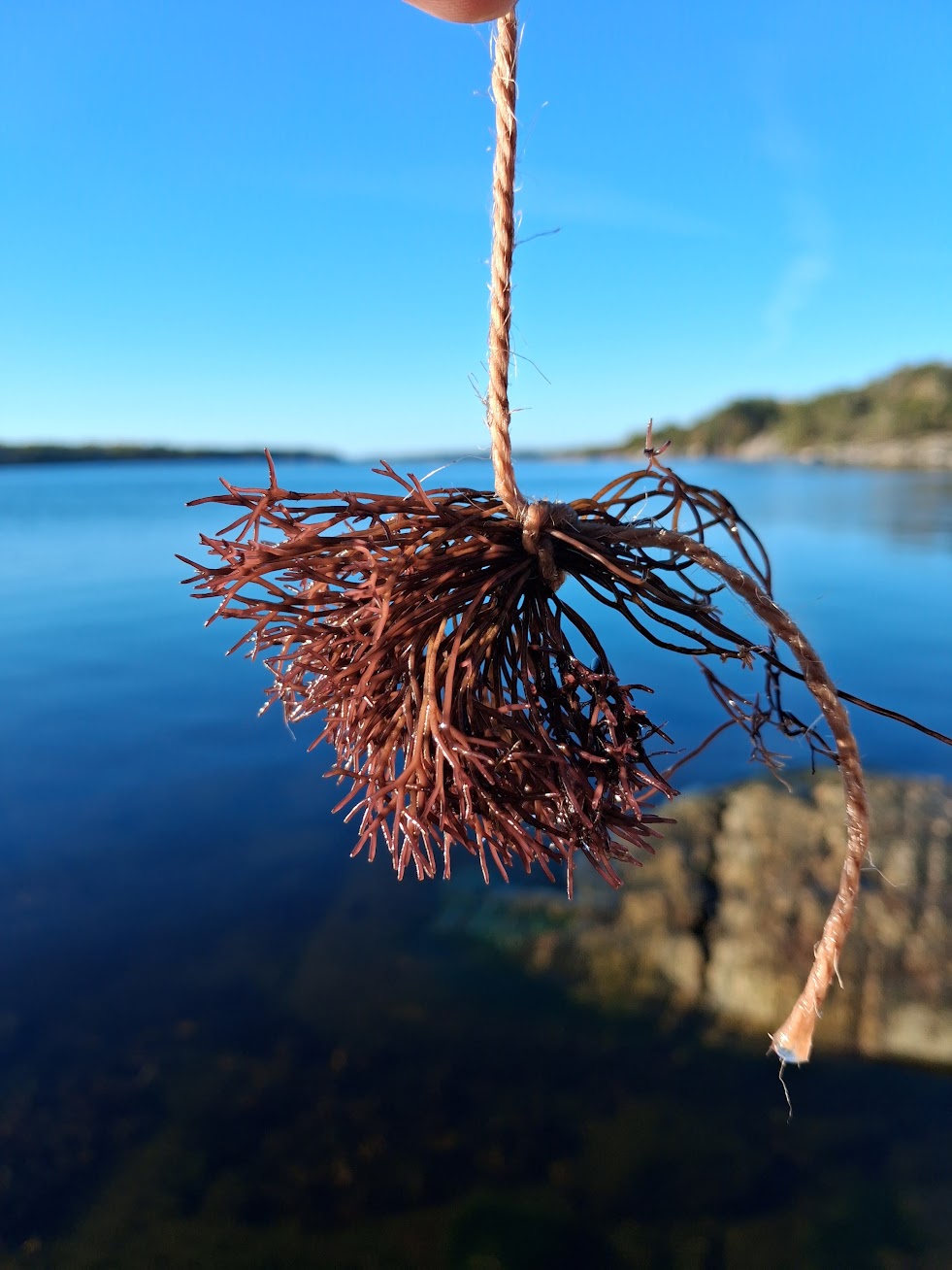
Kräkel, cultivated in the Nämdö archipelago, Sweden.
Photographs: Elin Dahlgren, SLU
Something we can wear, build a relationship with, share stories about, and spark conversations around.
Materials
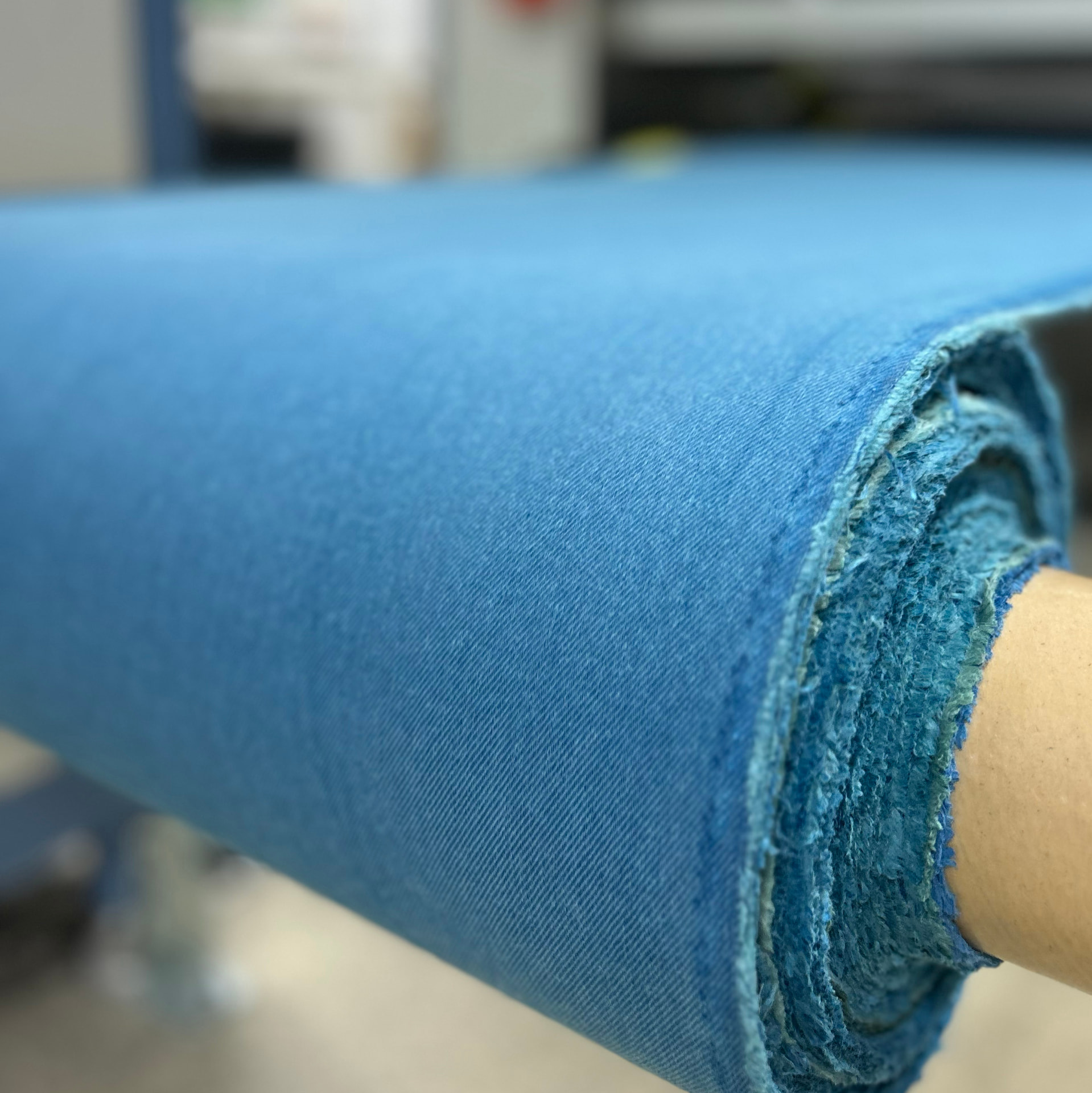
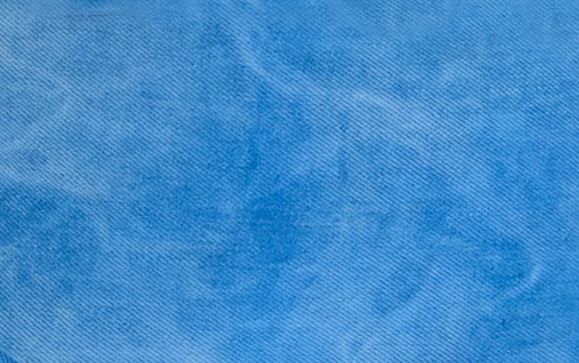
Pigmented material
Finished textile — detail
The creative process
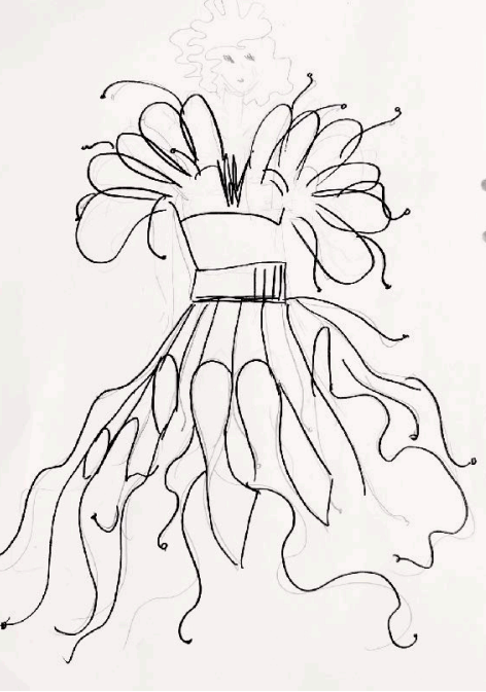
The Shared Sea Dress. Design in progress.
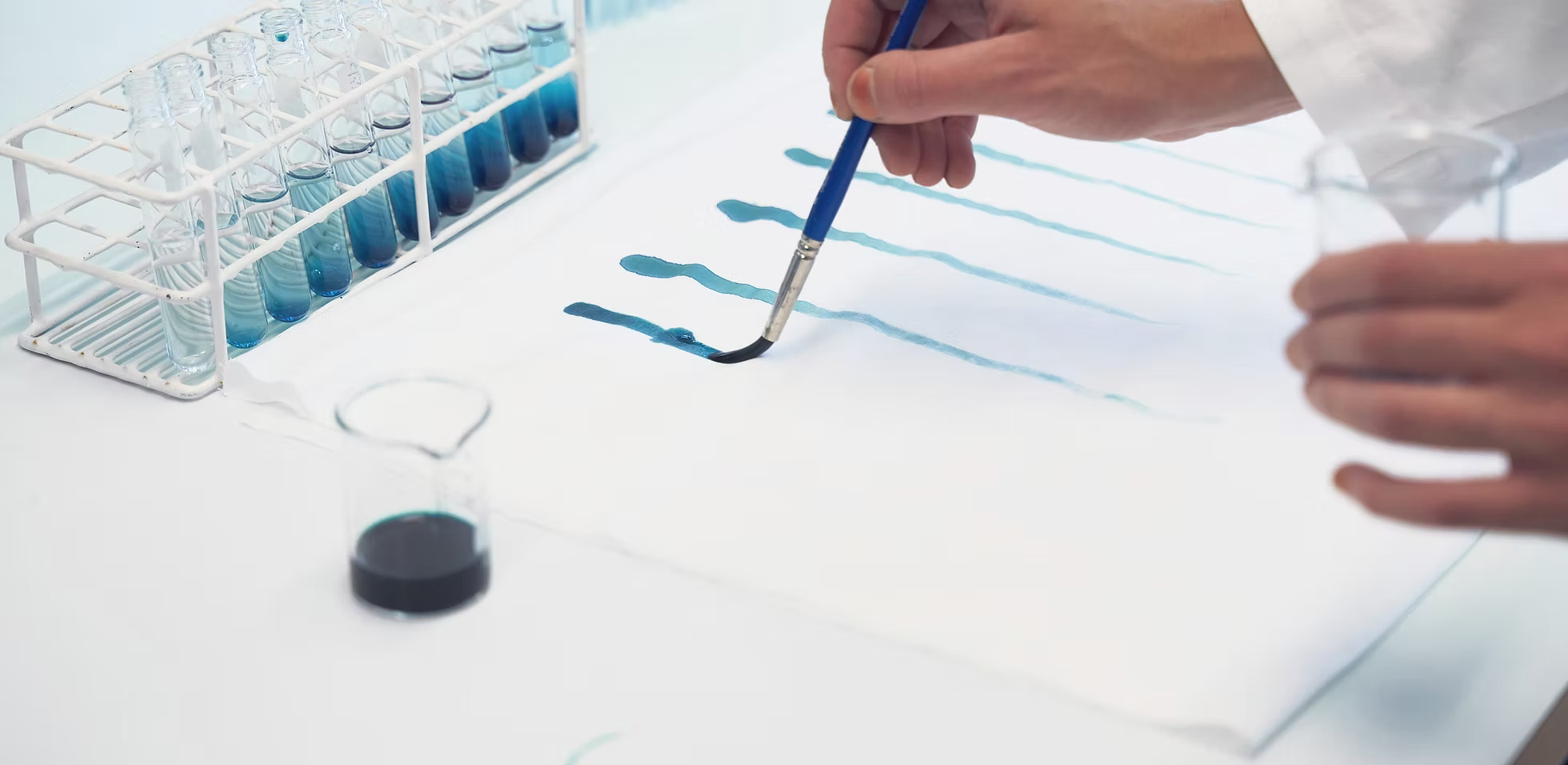
Dyeing & experimentation
Textile preparation
Dress construction
Behind the scenes
The life of a shared dress.
Pure Effect Textile Spray on the dress fabric
A shared life
The Shared Sea Dress is made to travel between people, places and occasions. Each wearer becomes part of its story. And between every wearer, the dress needs to be cared for.
But does a garment really need to be washed or dry-cleaned every time it has been worn?
Garment care
Pure Effect uses biotechnology based on Bacillus subtilis, a bacterium that helps break down organic residues responsible for odours, allowing clothes to be refreshed without washing.
Rather than being routinely washed or dry-cleaned, the dress is assessed after each use. If it only needs refreshing, it can be sprayed and left to dry — reducing unnecessary wear and the release of microfibres and chemicals into our waters.
02 / The Vision
A
Our oceans are under pressure.
The sea is often described through the environmental challenges it faces — eutrophication, pollution, chemicals and microfibres from our textiles. These challenges are real, but there is so much more to discover.
Microscopic life, including cyanobacteria, sustains the aquatic ecosystems we depend on. Algal blooms are not simply signs of environmental problems; they are fundamental parts of marine ecosystems and hold possibilities for new materials, colours and ways of thinking.
B
A seed for ocean transformation.
By showcasing how we can transform cyanobacteria associated with eutrophication in the Baltic Sea into fashion through new circular approaches, we want to inspire transformative change in our relationship with the world's oceans.
- Wear more.
- Wash less.
- Share the dress.
- Protect the sea.
C · The future vision — an ambition
From the Sea Dress to a travelling Sea Collection.
Our longer-term ambition is to develop a circular collection coloured with pigments from the ocean. The collection could travel between ocean regions, research forums, cultural institutions and events — creating opportunities for dialogue, knowledge sharing and new collaborations.
The future of the sea is not only about what we need to protect it from, but also about what we can learn from it, create with it and contribute to together.
Welcome to connect and support the journey.
03 / About & Contact
The Shared Sea Dress is a travelling art and science project connecting our relationship with the sea.
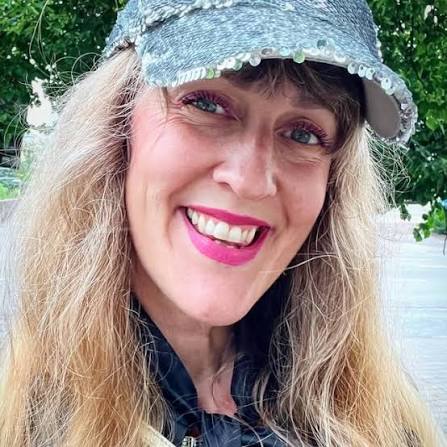
Stina Löving
Fashion & Circular Designer
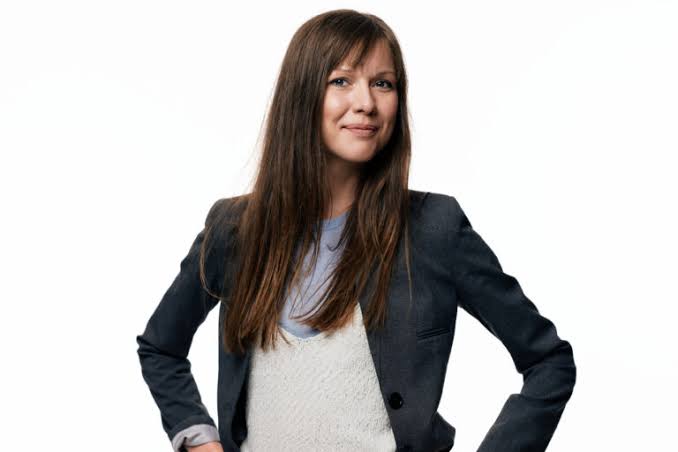
Ida Näslund
Bio-based Textile Dyes & Biotechnology
MOUNID
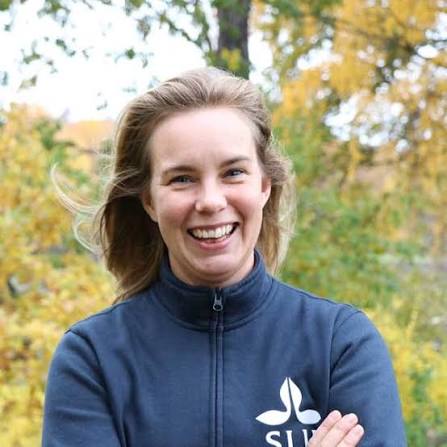
Elin Dahlgren
Aquatic Ecology & Research
Swedish University of Agricultural Sciences (SLU)
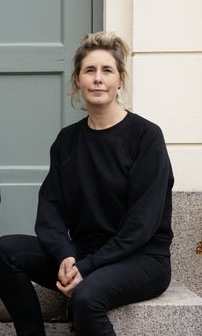
Linda Rosendahl Nordin
Initiator, founder Pure Effect
The Shared Sea Dress
Created by designer Stina Löving,
in collaboration with MOUNID, SLU and Pure Effect.



Let's start a conversation.
We welcome research institutions, museums, cultural organisations, funders and other potential collaborators to get in touch.
Launching at Havsforskningsdagarna 2026
24–26 November 2026
Aula Magna, Stockholm University
With thanks to
- Axfoundation
- Algverkstan, Nämdö Green Archipelago